

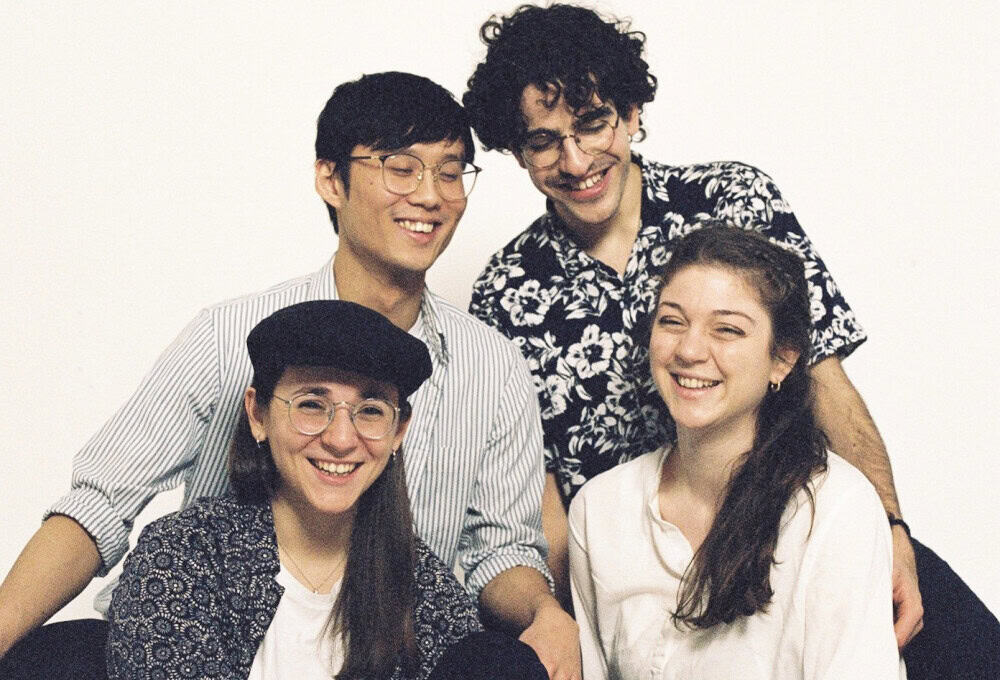
9(.5) questions for Dokwerk Saxophone Quartet
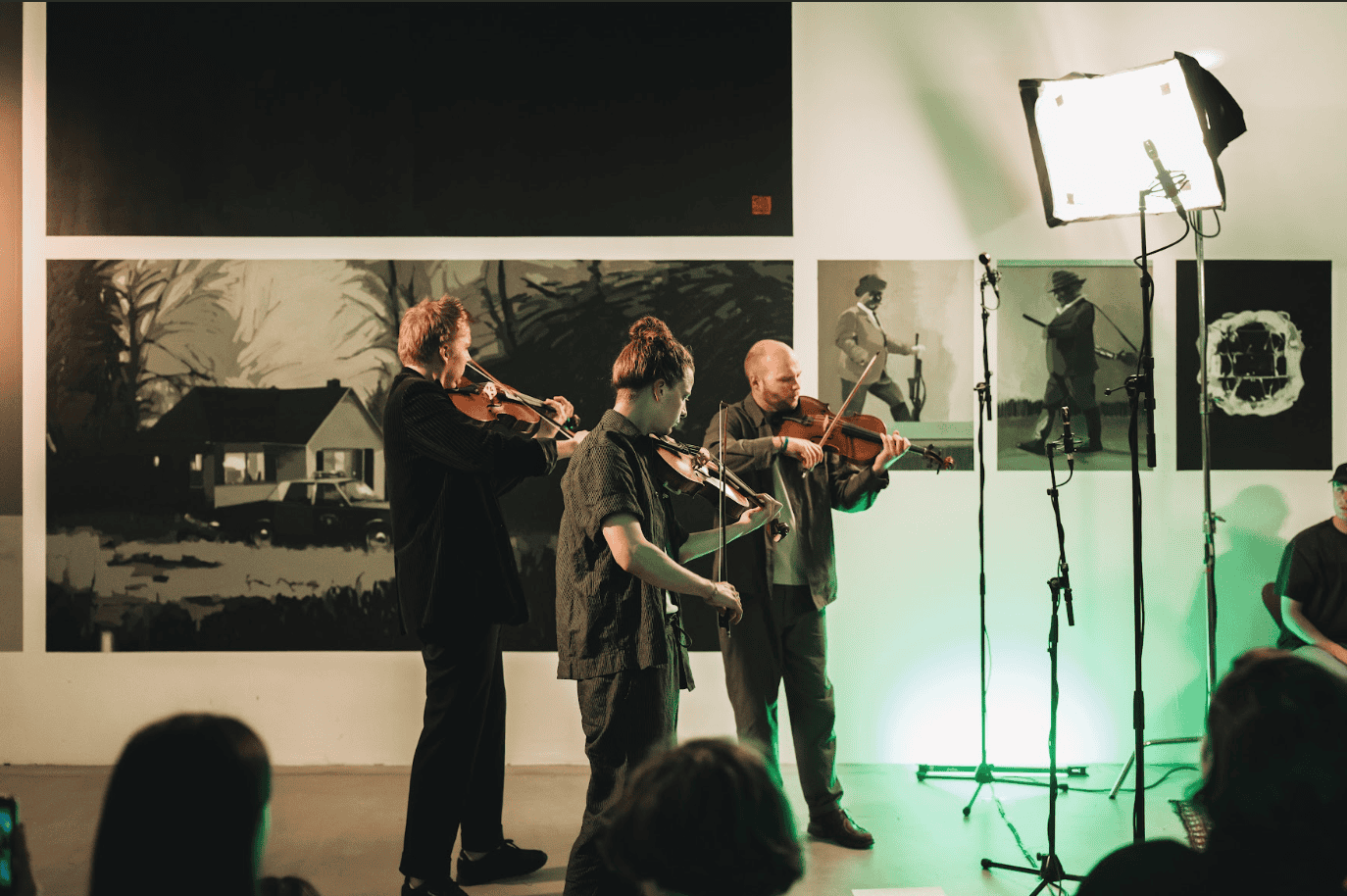
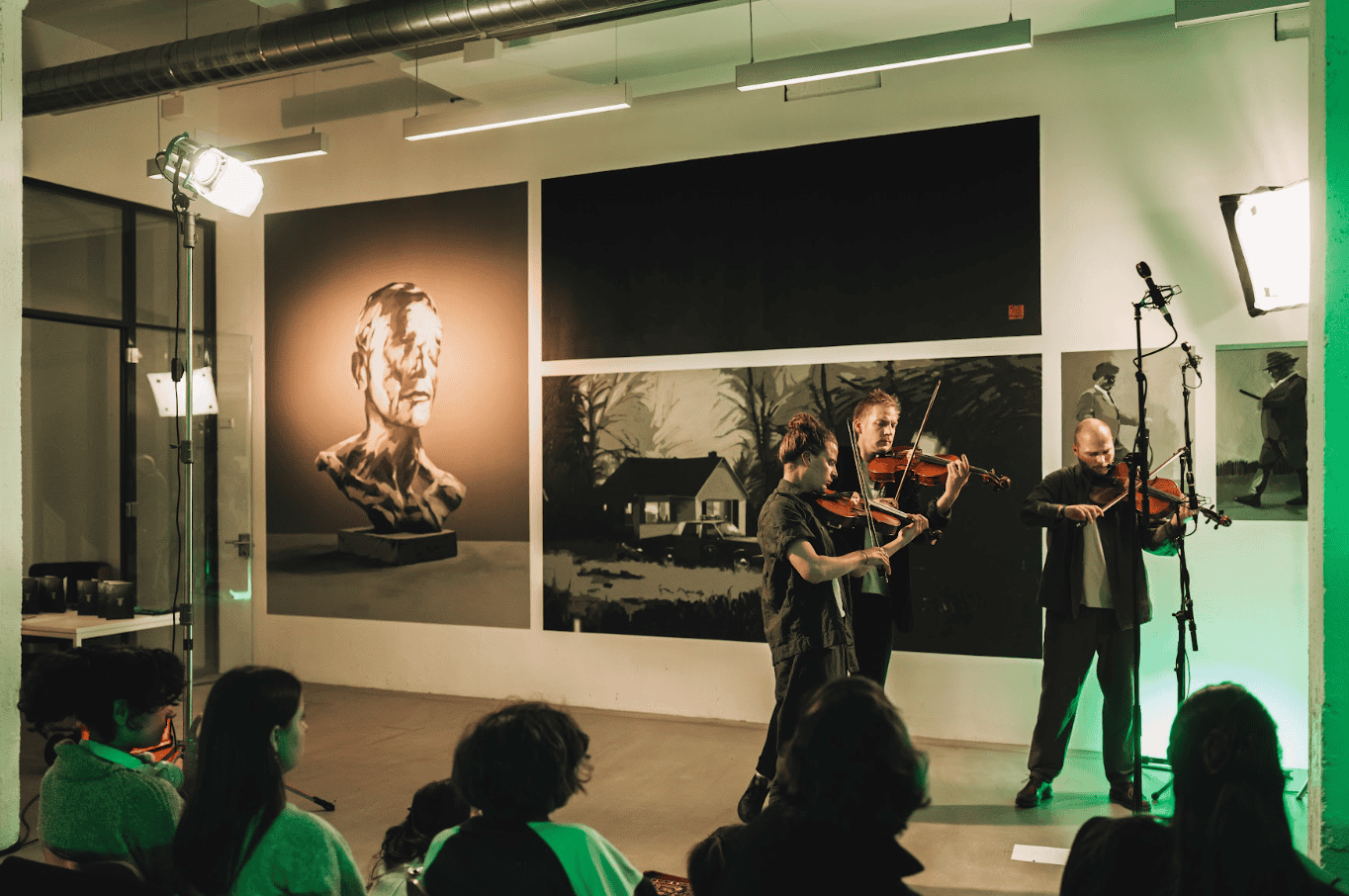
Fresh off their appearance as finalist in the Dutch Classical Talent Award, the infectious Dokwerk Saxophone Quartet is heading to a secret location in Amsterdam for our next 24chambers concert on May 21st. In anticipation of this, I sat down with Lisa Schreiber, Jen-Hong Wu, Ileana Termini, and Pedro Silva to ask them some questions on their music careers, the importance of cross-culture collaboration, and their newest release ‘Intersections’. Their playful energy is not limited to the stage, as during my conversation with them I was struck by the brightness they radiate off-stage as well. Read on to get a peek into the fun personality of this very special group.
1. When did you know you wanted to play classical saxophone?
Lisa: I don’t come from a musician’s family, but in the village where I grew up it was normal to play in the “banda”, the local wind band. I really liked my older sister’s teacher, so I also wanted to join. She happened to teach classical saxophone, so I played it.
What made me want to go more intense with it was another saxophonist from my village, who was two years older than me and very serious about it. I had a little crush on him, so I wanted to be very serious about it as well.
Pedro: When I was around 7 it was quite typical for the kids in my city to go to study music as a hobby. One day, we all had to go to this academy of music to try different instruments, and then they would assign us what we were best at. I went there with my best friend and we were both fantasising about a professional pianist career. For him it went the way he wanted, for me it didn’t. Instead of piano, they assigned me to the saxophone, which I wasn’t particularly inspired by, so it was definitely a love that had to grow.
2. If you played another instrument, what would it be?
Ileana: I started out playing a lot of different instruments, only picking up the saxophone when I was 12, but I think I would choose percussion. It’s so versatile and you need a lot of energy, and sometimes people tell me that I have a lot of energy, so I think that’s something that would fit me very well.
3. Your new album is called ‘Intersections’. What does this title represent for you?
Lisa: It represents this special moment in time that a recording is. The moment and the specific point where the four of us, and all these composers that probably don’t know each other come together. It was very important to us that we play composers that are all still alive and wrote their music in the past 20 to 30 years, so it really felt like it was relevant and vibrant of these days and of everything that we’re experiencing with the four of us as we’re walking through this world and life together. This crossroads, this unique meeting of specific people and ends that is fully different for everyone and couldn’t happen again in this exact way. That’s what this title represents.
4. How important is cross-culture collaboration in classical music?
Ileana: I think in general we as human beings gain a lot from exchange of cultures and not being stuck to our own roots. Even though, of course, our own roots are very fundamental to us.
I think it’s very clear that we come from 4 different backgrounds. Just simply the way in which we relate in social situations, but I think that is a really strong aspect of our group, and we embrace our differences as a strength. Sometimes, with the merging of cultures, there can be completely different opinions, completely different ideas. We embrace that. And in the end, in our repertoire choices, things really come through as quite widespread.
5. How do you go about choosing which songs to play and do you ever clash over this?
Pedro: The Philip Glass Quartet piece for instance, is the first big piece we ever played together. So we felt it was important to have that one there because of what it represents, but also for what it means to us as the first point where we all intersected with each other. Then the Ramin Amin Tafreshi piece is very important to us, not only because he’s our dear friend, but also because of the certain energy that we get by playing it. After choosing which pieces to play, we try to see how the pieces correlate with each other and see what makes sense in the bigger picture.
5(.5). Is there a lot of puzzling that goes on there?
Lisa: Yes, it’s a lot of puzzling. And we do disagree, which is why the puzzling continues. But once we have a final product we don’t ever look beyond that. We have a very long process because in the end we want everyone to be happy with it and to feel represented, which can be a bit long and tiresome sometimes, but it’s worth it in the end.
Ileana: I think for certain aspects, it’s also based on our instinctive choice in the sense that we always end up choosing music that we actually really love, you know, or that one of us really loves and then everyone goes with that. There were some funny choices I brought everyone into that I’m still happy about.
6. What’s a song that you love to hear, but don’t want to play?
Lisa: For me, it’s pieces like “…so softly” by Ian Wilson that are very still, beautiful, meditative, almost spiritual pieces. I know for myself that listening to them, I love it, but while playing them, I’m dying. It takes so much to sustain those long lines.
Pedro: I had that with the third movement of Philip Glass. Which is also the same thing, that it’s something really beautiful to listen to, but to be making that beauty, it’s not so beautiful.
Jen-Hong: For me it’s the piece by David Biedenbender: “you’ve been talking in your sleep”. For me, it was also a struggle during the recording because I love the music, it’s really fun to listen to, but to get it in a good shape and to be able to record or perform it well, it takes quite a lot of effort. So I don’t enjoy the process, but I enjoy the final product.
Lisa: Yeah, that piece is really like cardio. Only 6 minutes, but after it, I’m done.
7. For your performance at the Dutch Classical Talent Award, you added elements of theater to your performance. Where did the inspiration for this come from?
Lisa: Over the 7 years that we’ve been together, it’s something that has popped up quite regularly and naturally. Even during rehearsals, suddenly someone would come up with a movement and be like: “oh, what about if we do this?”. And then everybody sort of jumps on the train and we do it. Very often we would add little movements or little things. Somehow it seems to come out of us. Ways to put an image to the music or to make it even more graspable for an audience.
For us the music is the most important thing. We’re not actors, We’re not dancers. We don’t want to put anything on the music. It doesn’t need anything other than what it is. So everything we do that might seem theatrical, I think we do from a place of this is us. This is Jen-Hong screaming. He’s not playing a role. It’s him.
8. Which other artform has your heart?
Ileana: For me it would be sculpture. It’s very fascinating to me how meticulous a sculptor has to be with the treatment of the material and how realistic things can be. That’s very impressive.
Lisa: Mine is dancing. I dance ballroom and Latin dances, but I also love modern contemporary dance as an art form, and I love to collaborate with dancers.
Jen-Hong: I did training for Chinese calligraphy. You have to use a specific tool and a specific way to write it. I was also always drawing and doing stuff like that when I was in elementary school and middle school. But after that, I kind of forgot about it. But I think I could dream about that, that I can be a painter or something. Just to dream.
Pedro: For me, I would say movies. For the obvious reasons, but also for the direct connection they have to music and it being one art form that includes everything. I’m especially fond of movies that are made by sort of classically trained directors. You go to see it and then you see, I don’t know, like a famous piece you know or something.
9. Do you want to share something you learned recently, or a fun fact with us?
Pedro: The show must go on. This is an allusion to what happened in one of our concerts on the tour.
Ileana: Yeah, we had a pretty interesting accident. My saxophone stopped working. So we had an unexpectedly dissonant beginning of Mozart, and then it was quite funny to have to stop literally the whole show. Luckily enough, in a few seconds, it was solved and then we could go on.
Lisa: Something I’ve been thinking about these days, I think it’s really amazing about the Dutch classical music scene that there are so many small organizations that organise concert series. It’s incredible. You cannot have an overview of how many people there are in the background, in the backstage, just working for classical music. And most of them don’t get anything for this, just the joy that they get out of classical music, and I think that’s amazing.
And what’s also really cool about Dutch people is that, even if it’s a professional contact, they’re immediately going to be very personal and direct. No one calls me Miss Schreiber. They all say, ah, Lisa. And I think that’s so sweet and warm and you immediately have this very close, direct connection and communication.
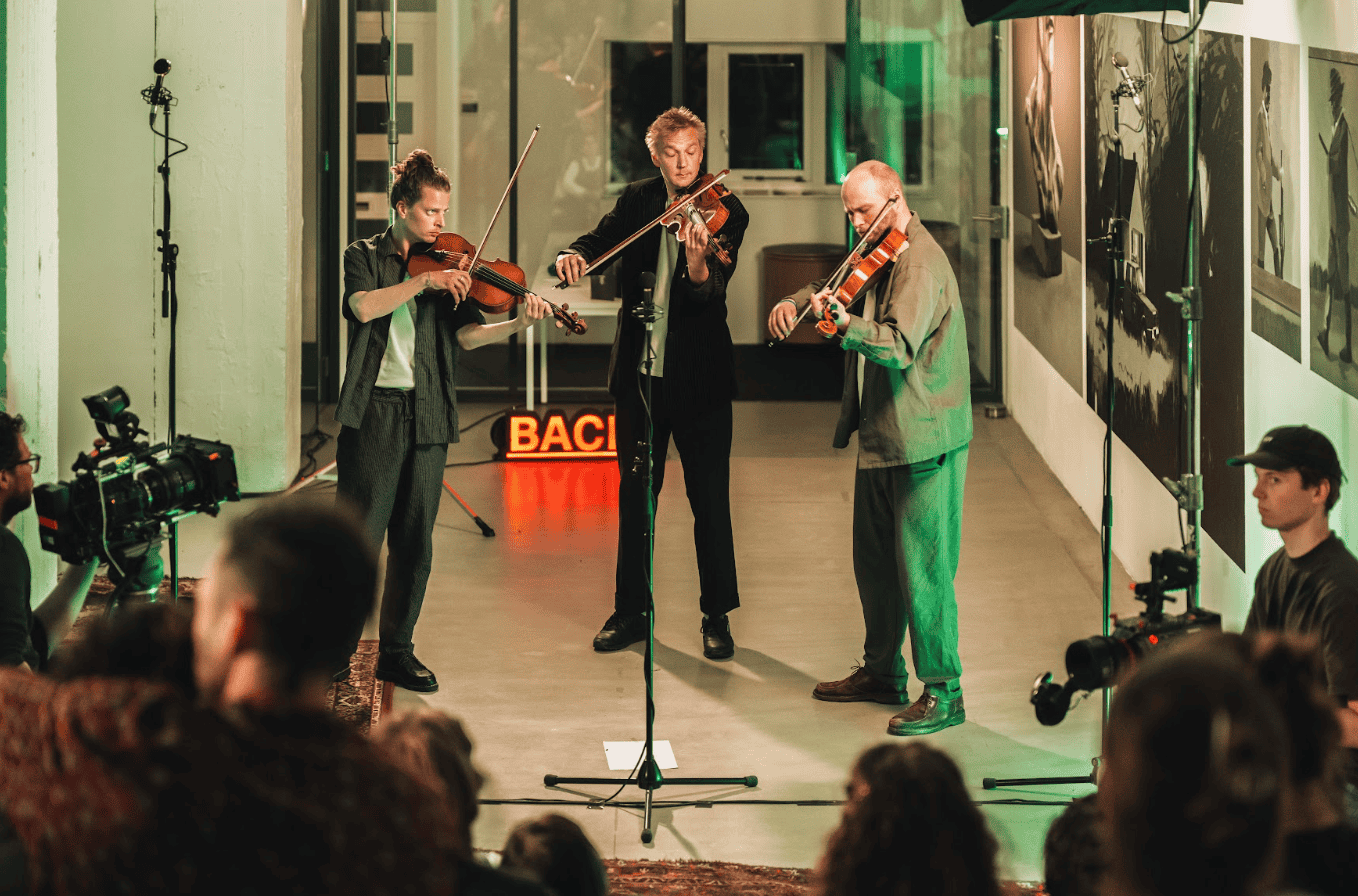
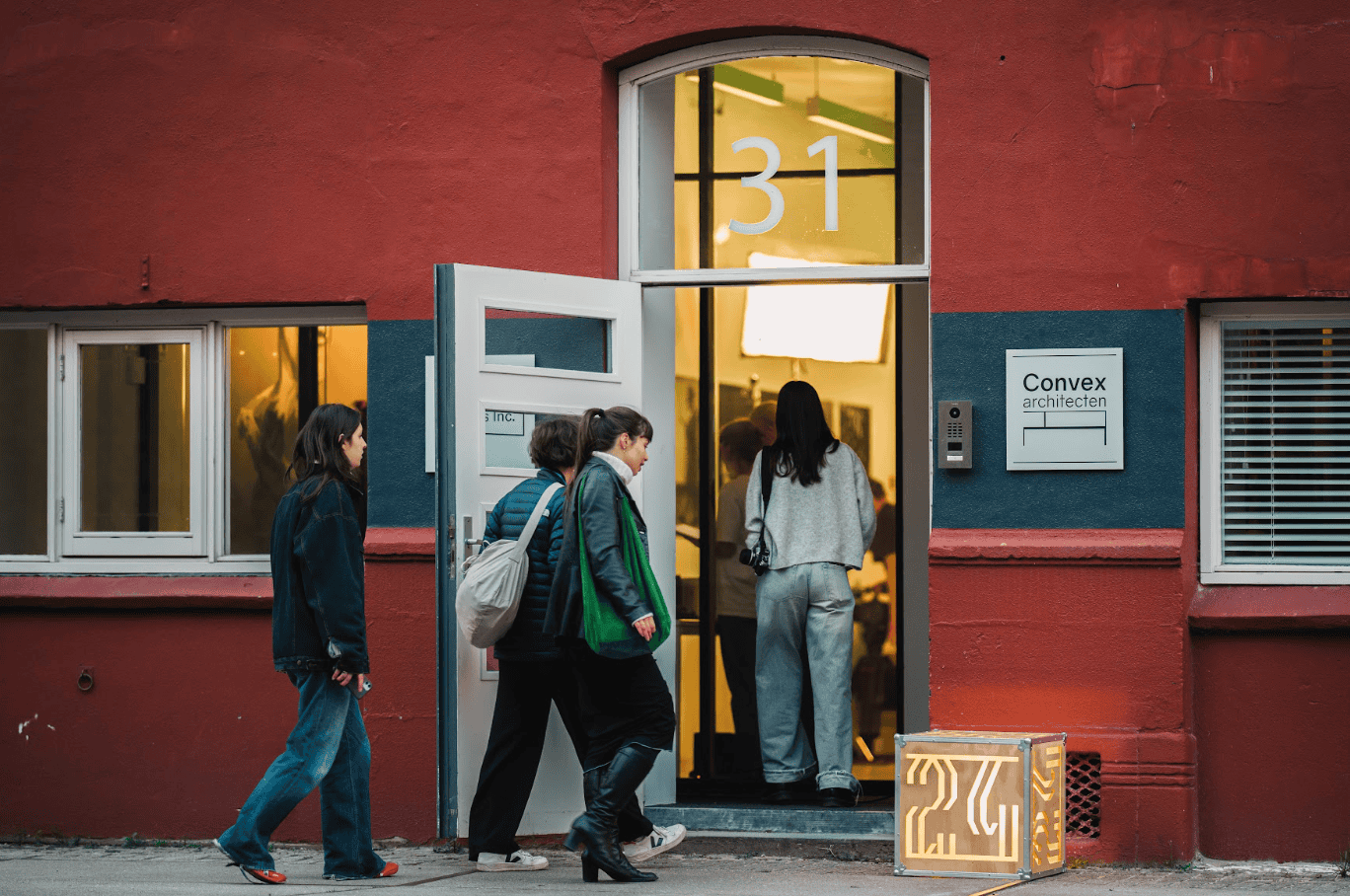
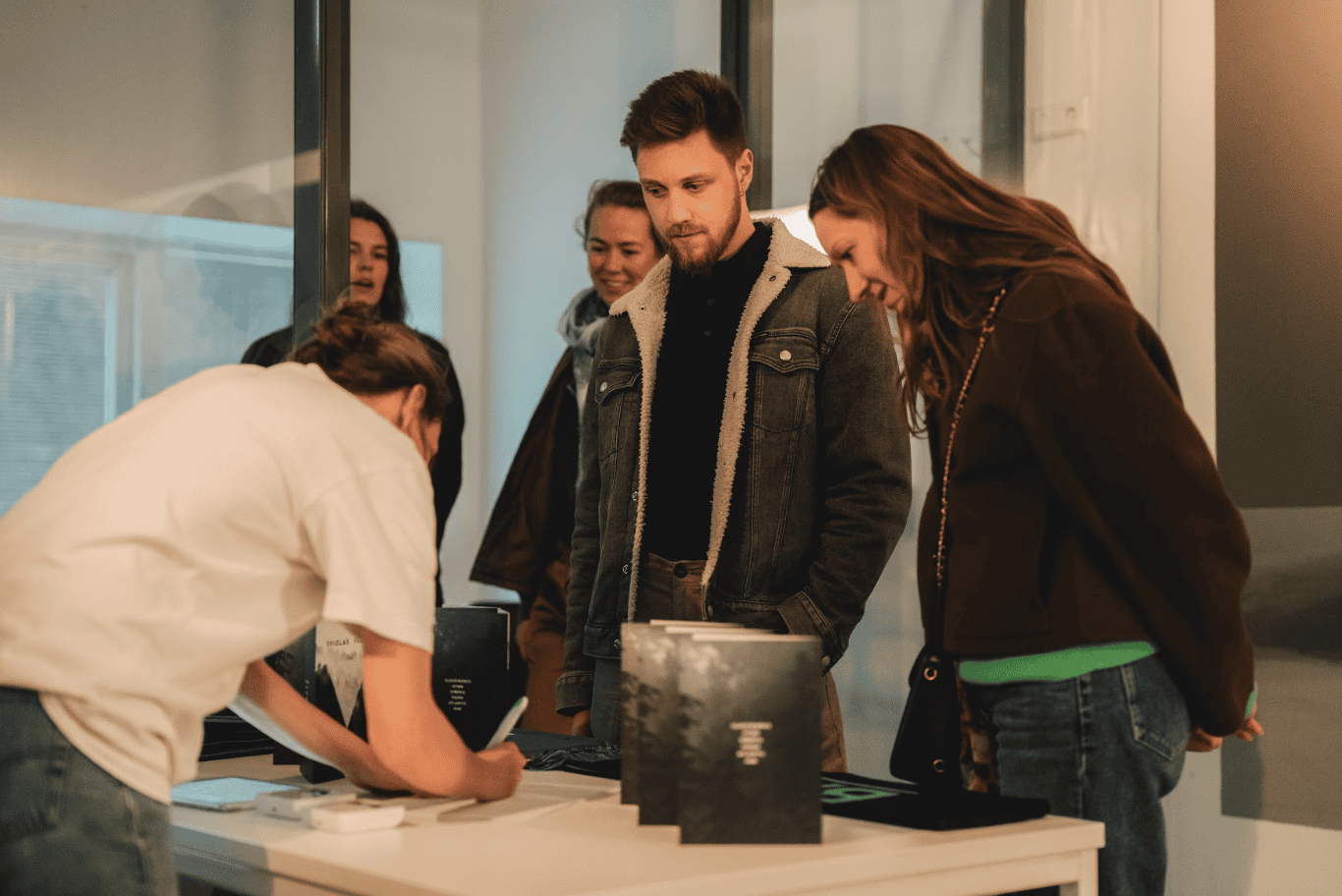
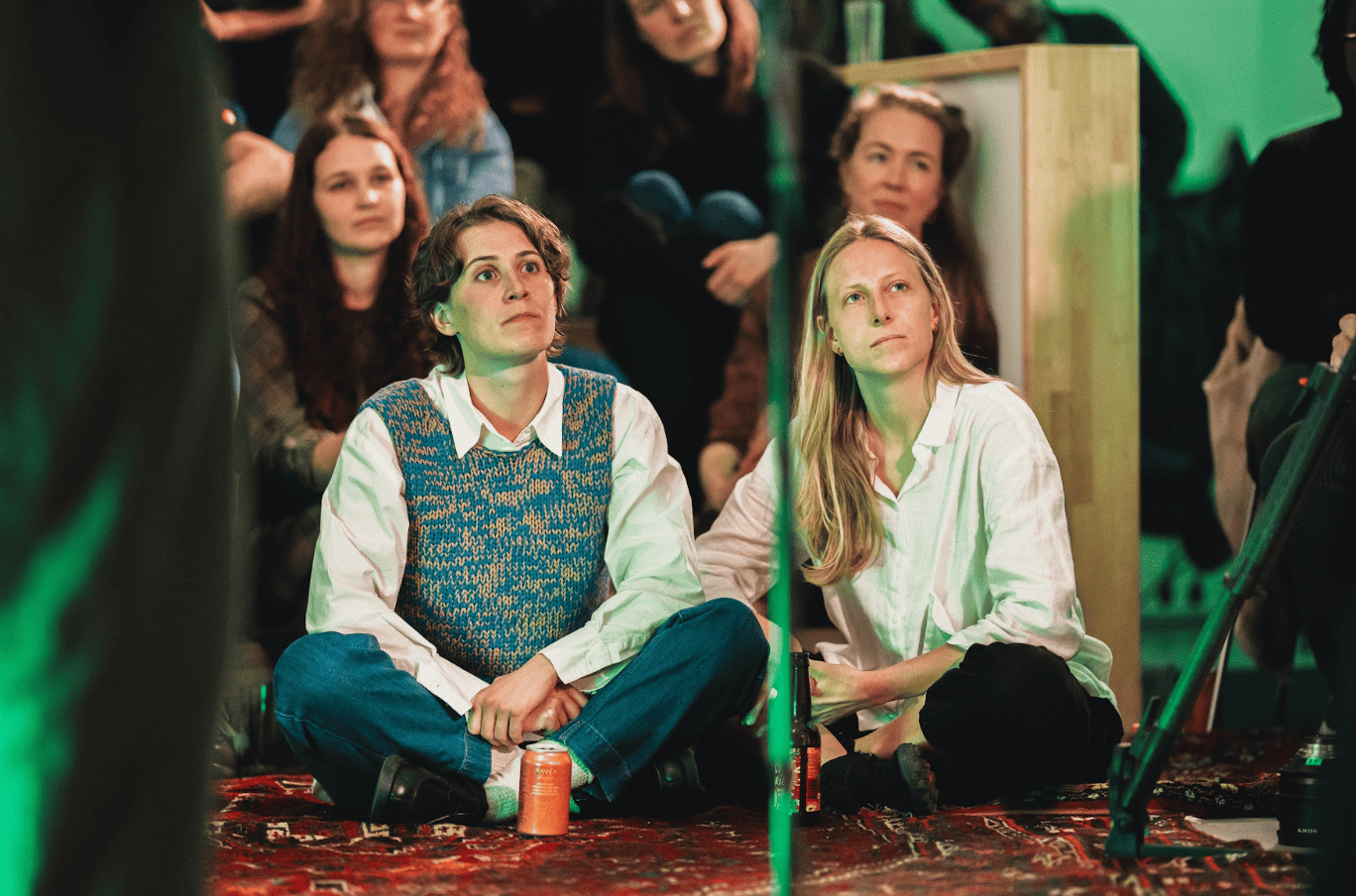
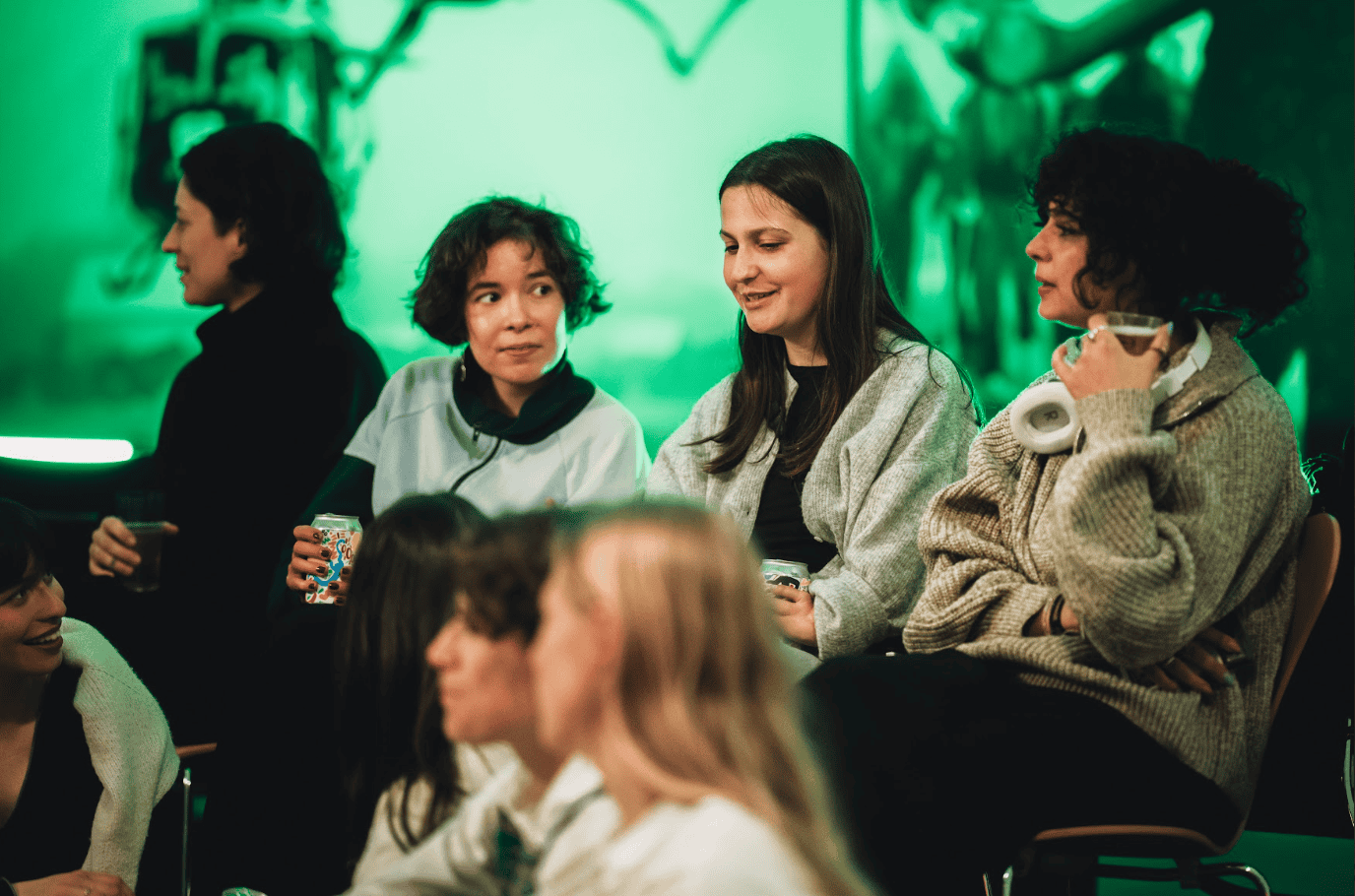
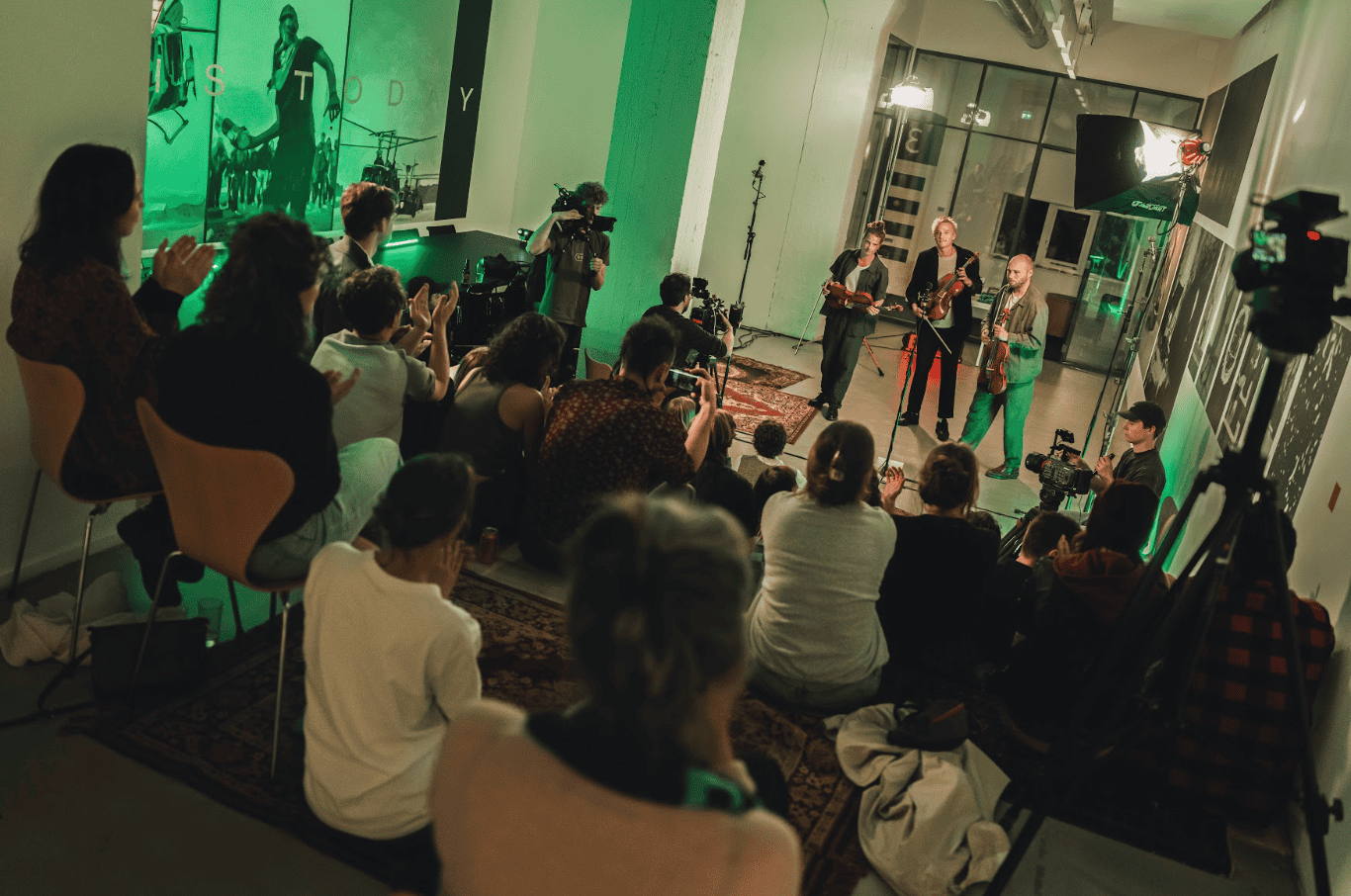
Join the next 24chambers concert, check out the dates and request an invitation to our guest list.
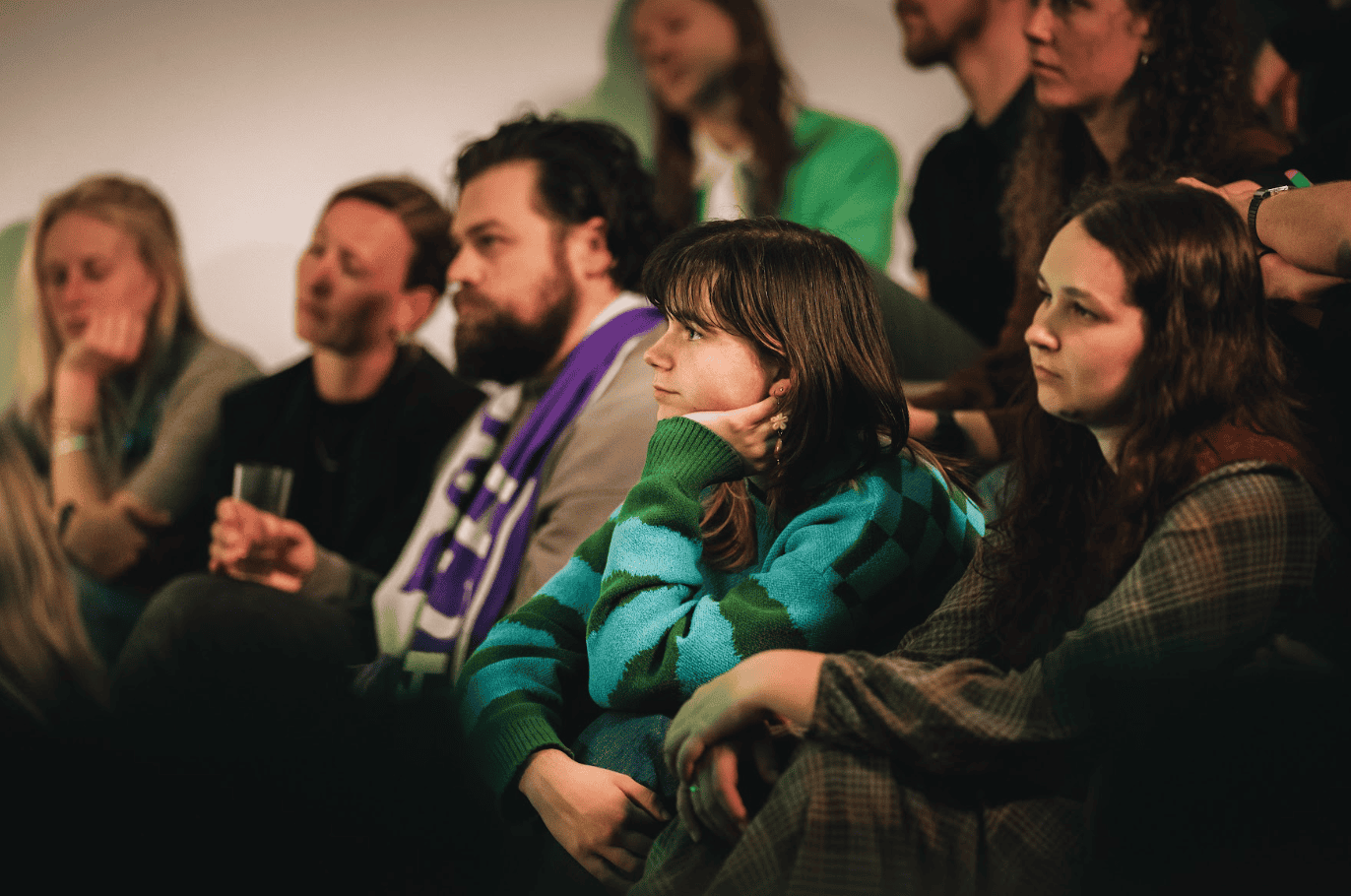
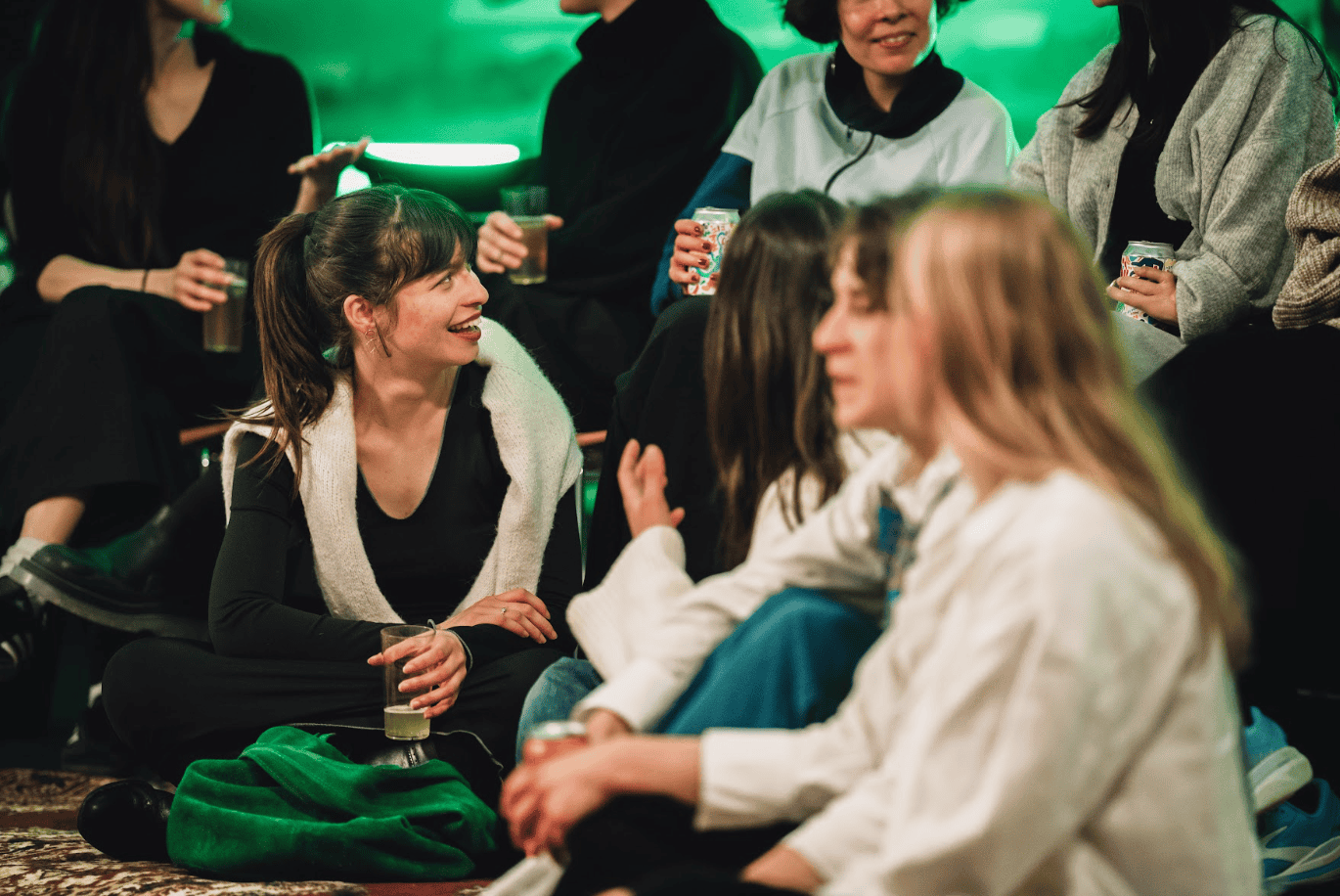
24classics flips the script on classical music. 24chambers concerts are curated intimate performances at a secret location featuring musicians who explore classical music’s expansive nature, breaking traditional perceptions. To join a 24chambers concert request an invitation to our guest list. The guest list is open for everyone – although Kleine Vrienden are first in line.